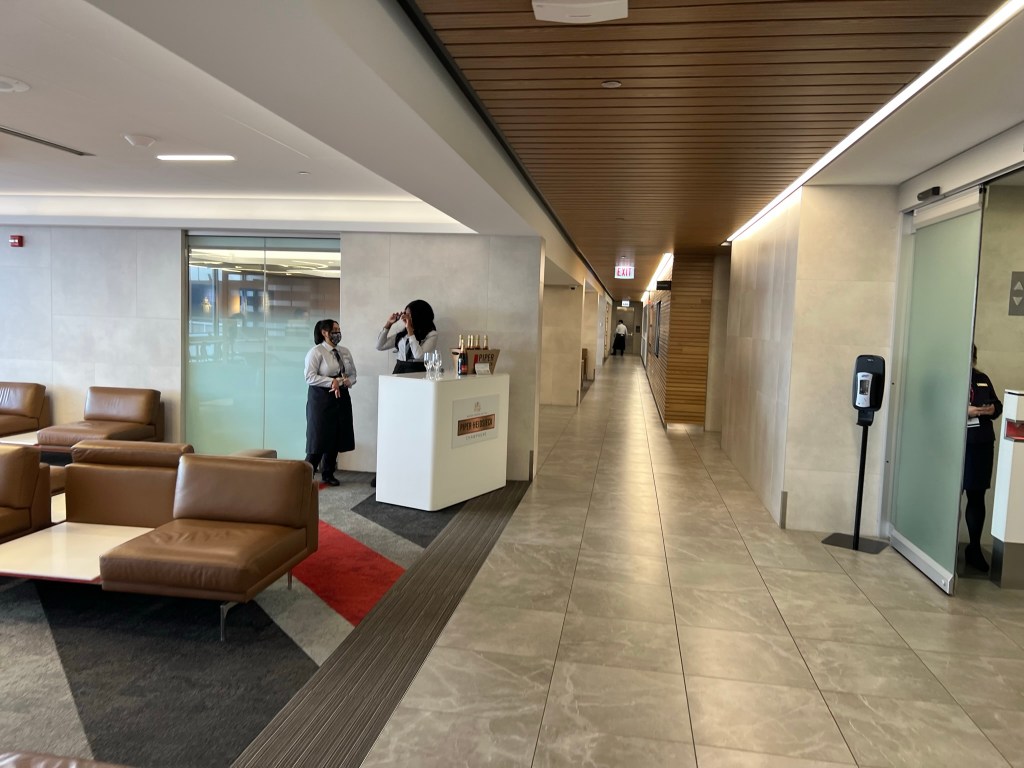
Those of us with access to airport lounges are extremely fortunate. The vast majority of travelers are stuck in the terminal, sitting at crowded gates and overpaying for mostly bad food and drinks.
Within the hierarchy of airport lounges, there are good and bad aspects. I wanted to discuss what makes a good airport lounge and include my preferences. You may of course have different opinions.
Layout – Open Plan vs. Divided
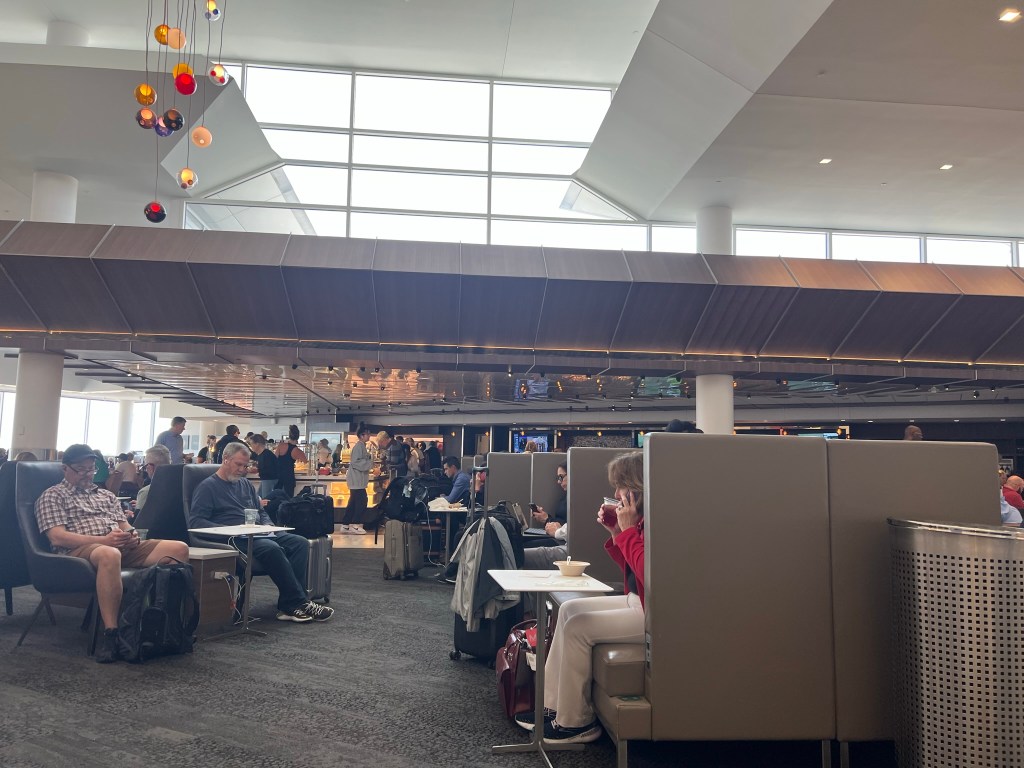
There are a couple of different ways airport lounges are laid out. Most domestic airline lounges are open plan with a large central area with lots of seating options. American Express Centurion Lounges are generally set up with walls dividing different areas to lounge, eat, drink or work. Which is better? To me, given the crowding that tends to happen, especially at peak times, the open plan lounges can soak up the crowds more easily. These lounges still can have high-backed chairs and desk dividers that separate people, but if you want to serve the most people more easily, an open plan works better.
The lounges with walls can often be confusing to navigate and you may miss open seats without scouring all the rooms. I sometimes wonder if Amex lounges would feel less crowded if they had more of an open plan like SkyClubs.

Bar – Self-Pour vs. Staffed
This is kind of an interesting decision for airlines or other lounge operators. Do they risk people overserving themselves and stumbling onto planes? Do they risk people drinking only “the good stuff” when they mix themselves a drink? Or, do they hire and train bartenders to ensure a certain level of quality and service who can also keep an eye on tipsy travelers?
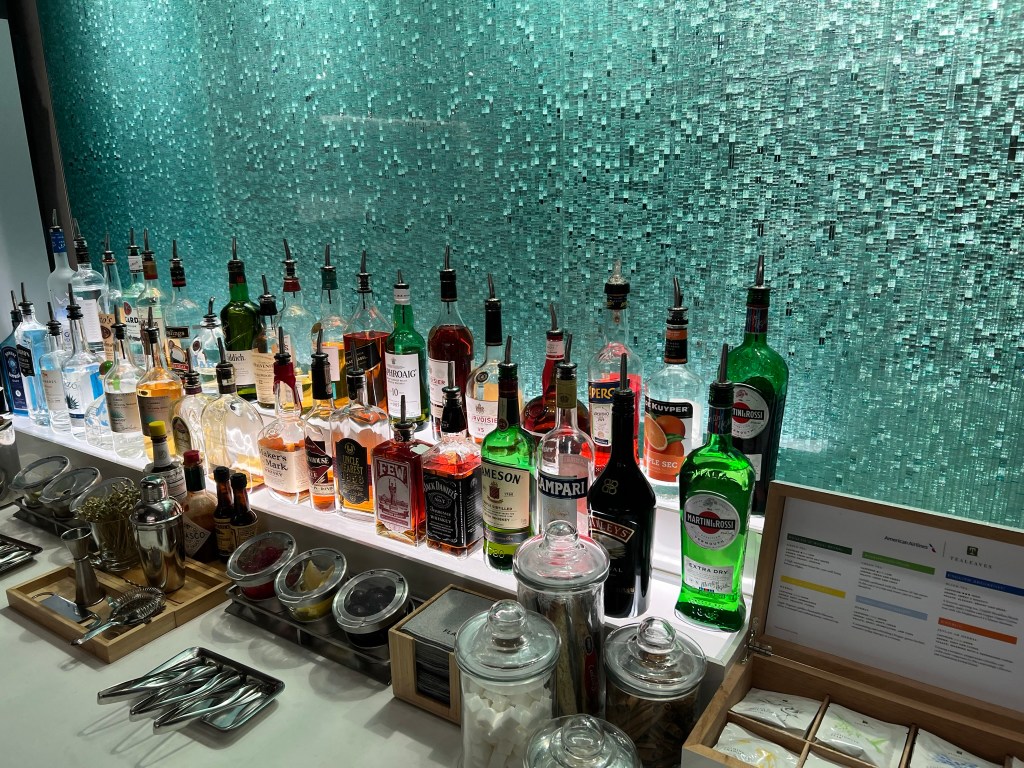
There are pros and cons to both setups. Obviously, the self-pour bars will save some staff salaries and provide quick access to drinks for travelers with a tight connection. Visitors will also not have to remember to carry cash to tip the bartenders. However, I’ve seen missing mixers or empty bottles at these self-pour bars. The staffed bars tend to have more selection for mixed drinks and cocktails and will be less likely to run out of anything. You also will be more likely to be able to get a draft beer at a staffed bar vs. a self-pour bar, which will likely be limited to bottles and cans.
Personally, I like the way the domestic big three set up most of its bar services at their clubs. There is usually a staffed bar for cocktails, liquor and beer/wine. You can also help yourself to coffee, soft drinks, iced tea and water without interacting with a bartender. A staffed bar also provides more seating for solo travelers (or chatty people) at the bar.
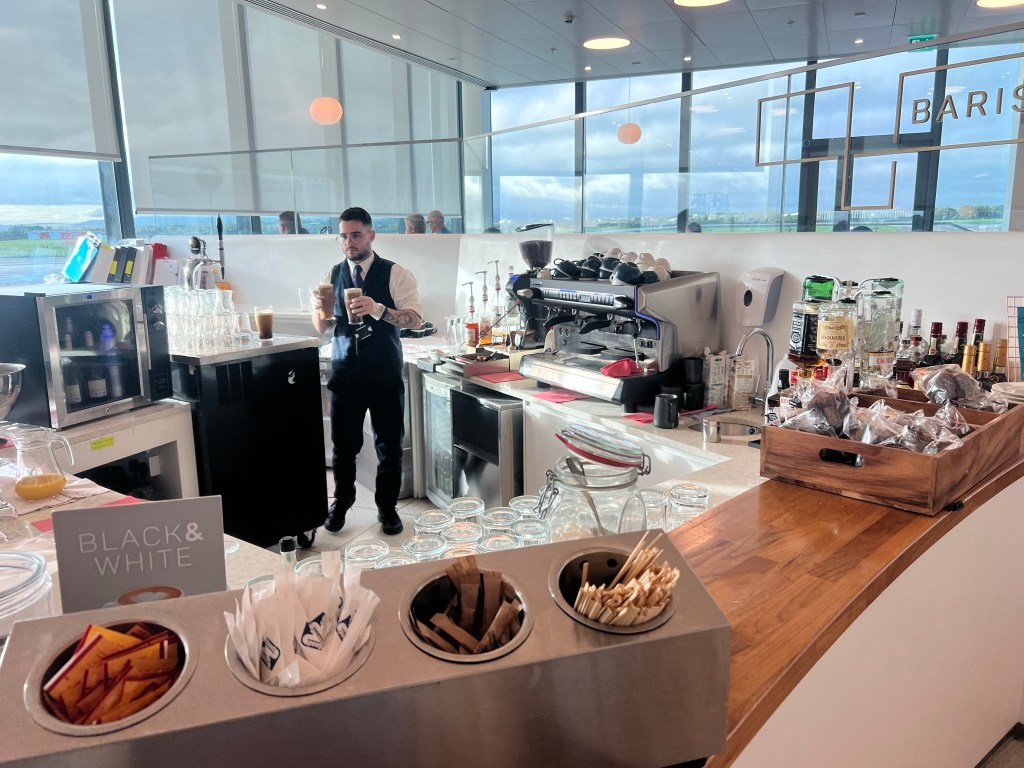
I also like when lounges have staffed coffee bars, especially in the morning. At the 51st and Green Lounge in Dublin airport, there was a bar where you could order espresso-based drinks (hot or iced), draft beer and mixed drinks. Most domestic lounges are unfortunately using the automated coffee machines, which tend to serve up bitter and lousy-tasting drinks.
Food – Table service vs. Buffet
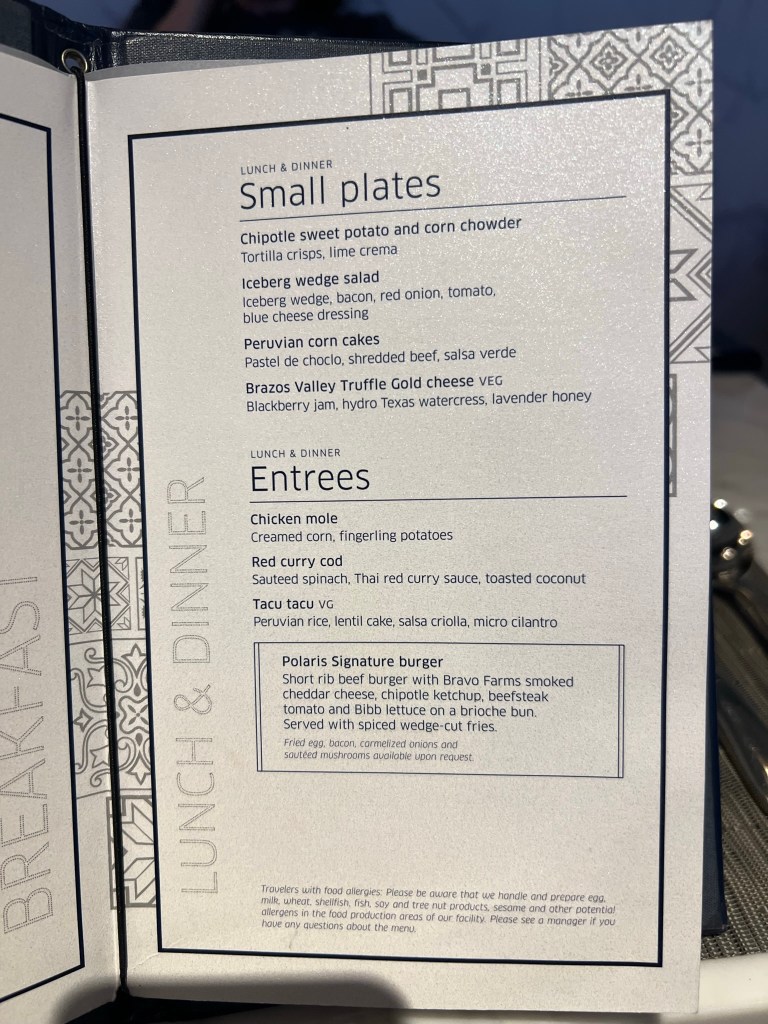
Most domestic lounges have buffet food service. Even the American Airlines Flagship Lounges, which are an elevated concept for international business class passengers, serve food buffet style. United Polaris lounges offer made-to-order food from a menu as well as a small buffet for those who prefer it or are in a hurry.
You will find more table service in international lounges but even those usually also have a combination of table service and buffets. Newer lounge concepts such as Capital One and Chase lounges seem to have a combination of a buffet and ordering from a small menu.
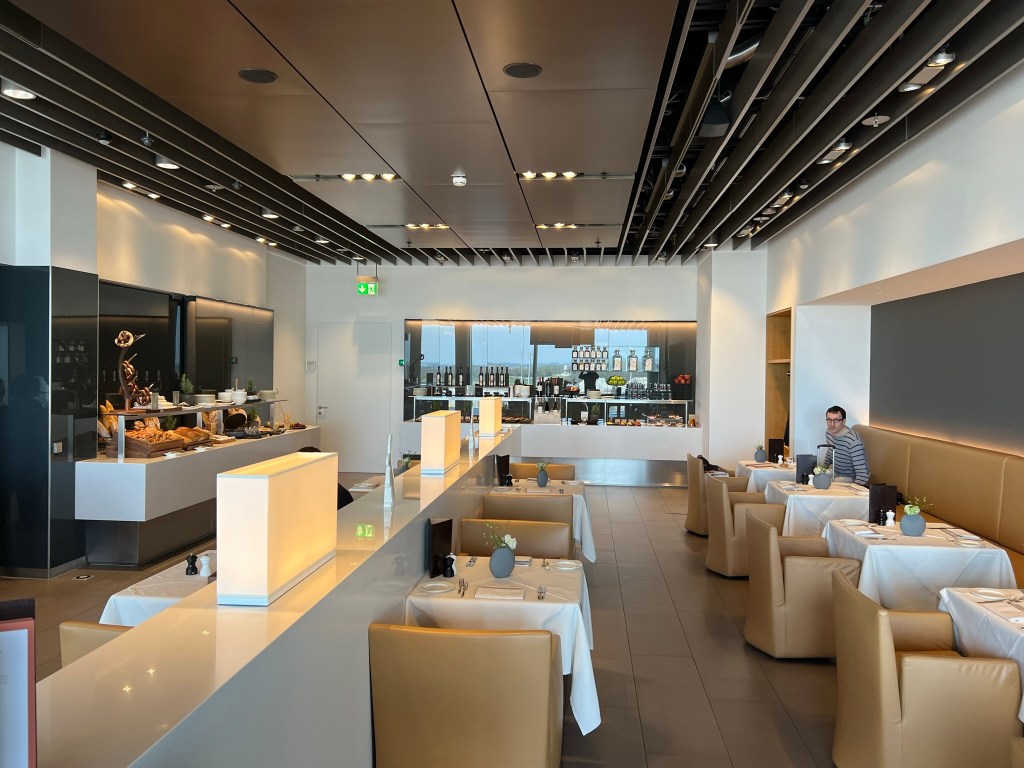
Personally, I prefer a buffet when I am traveling domestically as I tend to arrive fairly late and don’t have too much time to order from a menu. When I’m traveling internationally, particularly in business or first class, I like to take a bit more time and order off the menu, but it’s still good to have the buffet as a backup in case the connection is tight or there’s a delay.
Restrooms – Unisex vs. Gender-specific
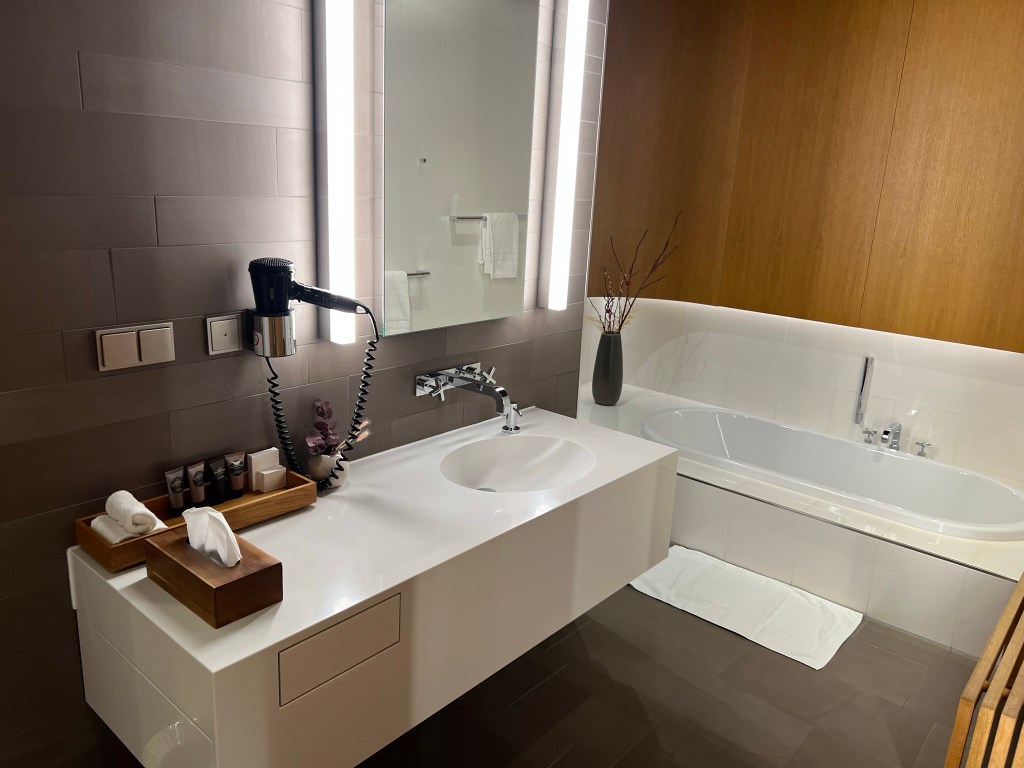
Of course, everyone likes to be able to use the restroom in the lounge instead of in the terminal as it’s usually cleaner, nicer and is less likely to be, uh, smelly. It seems like there are two types of restrooms available in lounges these days, the typical men’s and women’s restrooms with multiple stalls and sinks or individual restrooms each with its own toilet and sink (and sometimes a shower).
It seems like the newly built lounges are moving to the individual model as it just provides more privacy and is more egalitarian in terms of who can use the restroom at any given time. You often see a line for women’s restrooms in lounges and not men’s. For example, the new Newark Delta SkyClub has individual restrooms instead of the typical separate large gender-based restrooms. I’ve also noticed foreign airlines such as British Airways, Lufthansa and Iberia often have the individual restrooms in their lounges.
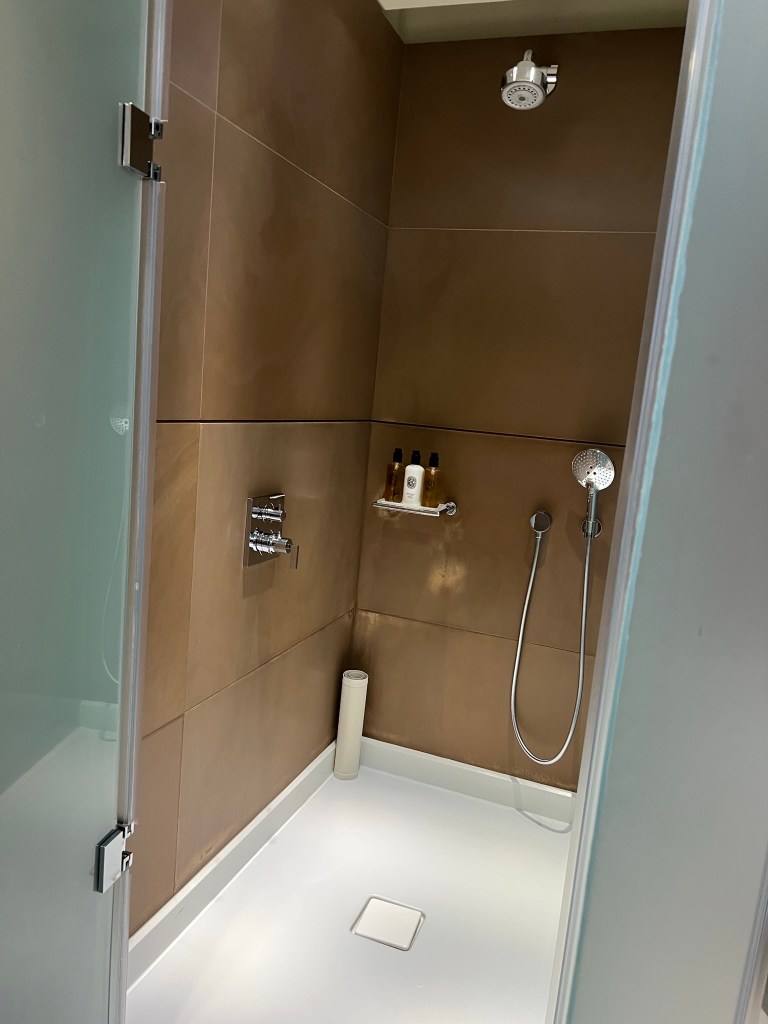
I really don’t have a preference here as long as the restrooms are clean and there’s not a long wait to use them because after all, I’d rather spend time lounging than standing in line to use the bathroom. I rarely shower in airport lounges, but I have made use of these during long layovers. If you plan to use a lounge shower room, be aware that there’s not always a separate toilet in these (I’m looking at you, KLM).
Lounge Access Policy – Complimentary vs. Paid
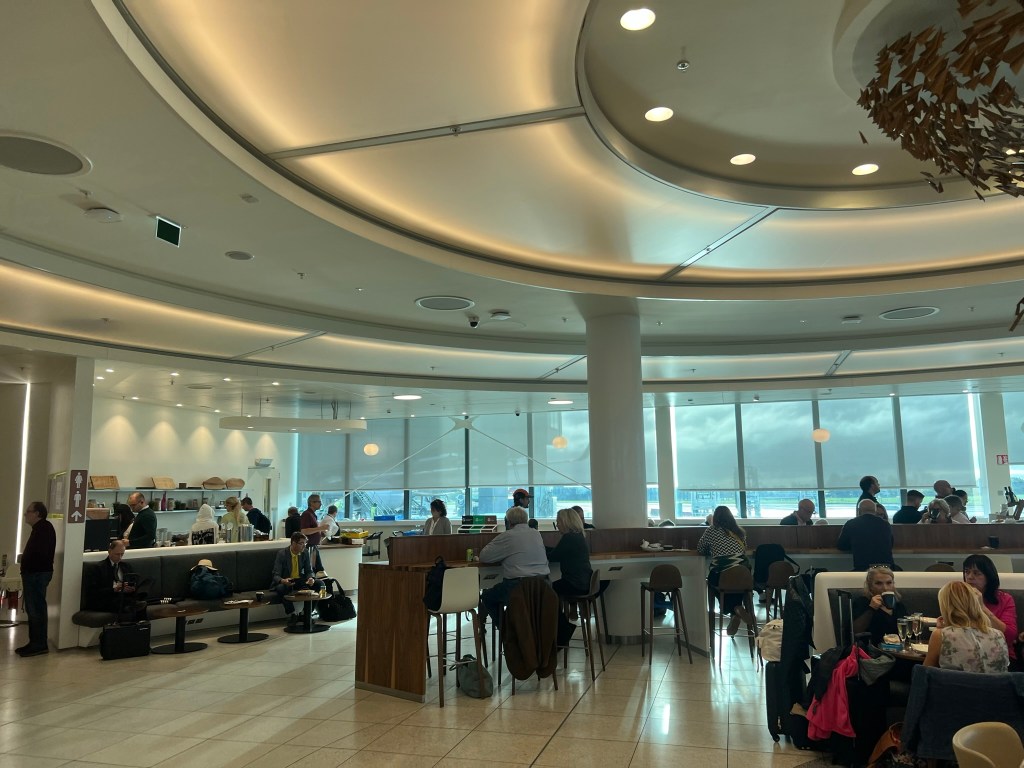
Most people in the US access domestic lounges one of two ways, via a credit card benefit or via a membership due to their status with an airline or an airline alliance. There are also paid lounge memberships and international business or first class lounges that can be accessed based on your class of service flown or high level airline status.
Paid lounge access isn’t really a big thing domestically, although you can sometimes pay for guests depending on the lounge and what credit card you have. I’m not going to go into details about that here, but you can look up each airline and how guests can access their lounges. Access to non-airline lounges such as Amex and Priority Pass lounges are benefits that come with holding a premium credit card.
Overseas, you can often reserve a spot in an airline lounge even when flying economy and having no airline status at all. I’m not sure the cost is worth it, but many travelers disagree and book their spot way ahead of time. I suppose it gets your vacation off to a good start if you can have champagne and breakfast in the lounge.
That’s a quick overview of the different approaches taken by lounges both domestically and overseas in terms of layout, food, drink, restrooms, and access. As I said at the beginning of this post, we are very lucky to have lounge access on most of our flights and even with some crowding and other grumbles, it’s way better than waiting at the gate.
If you enjoyed this post (or have questions), let me know in the comments or send me an email at emptynestermiles@gmail.com. If you are thinking about opening a new credit card, please use one of my links.
 Empty Nester Miles